


Misconceptions About Pilates
- Pilates Barre
- Jul 31
- 3 min read
Pilates has gained remarkable popularity in recent years, captivating fitness enthusiasts and individuals seeking rehabilitation alike. Yet, despite its growing acceptance, a wide range of misconceptions remains. This article tackles some of the most common myths about Pilates, helping you get a clearer insight into what this powerful exercise method truly offers.
Misconception 1: Pilates is Only for Women
One persistent stereotype is that Pilates is predominantly a women’s workout. Truth is, while many women participate in Pilates, it is designed for people of all genders. In fact, a significant number of professional athletes, including NFL players and ballet dancers, integrate Pilates into their training routines. For example, a study from the Journal of Sports Medicine found that athletes who included Pilates in their workouts reported a 30% increase in overall performance. Recognizing that Pilates is for everyone can encourage both men and women to give it a shot, free from gendered perceptions.
Misconception 2: Pilates is Just Stretching
A common belief is that Pilates amounts to nothing more than a stretching routine. While flexibility is certainly a benefit, Pilates extends far beyond that. It emphasizes controlled movements, core strength, and alignment, which are vital for athletic performance and injury prevention. For instance, research conducted by the American Council on Exercise revealed that participants in a Pilates program showed an improvement in core strength by 34% after just eight weeks. This makes Pilates a robust workout, not merely an extension of stretching exercises.
Misconception 3: Pilates is Only for the Injured
Many people think Pilates is solely for rehabilitation, which overlooks its broader applications. Pilates is highly effective for both preventing injuries and enhancing general fitness. Individuals from various backgrounds can tailor Pilates routines to their specific needs. For example, someone training for a marathon might incorporate Pilates to improve core stability, while someone recovering from an injury can use it to rebuild strength and flexibility. In fact, over 60% of Pilates practitioners report that it contributes to their overall fitness and wellness.
Misconception 4: You Need Special Equipment for Pilates
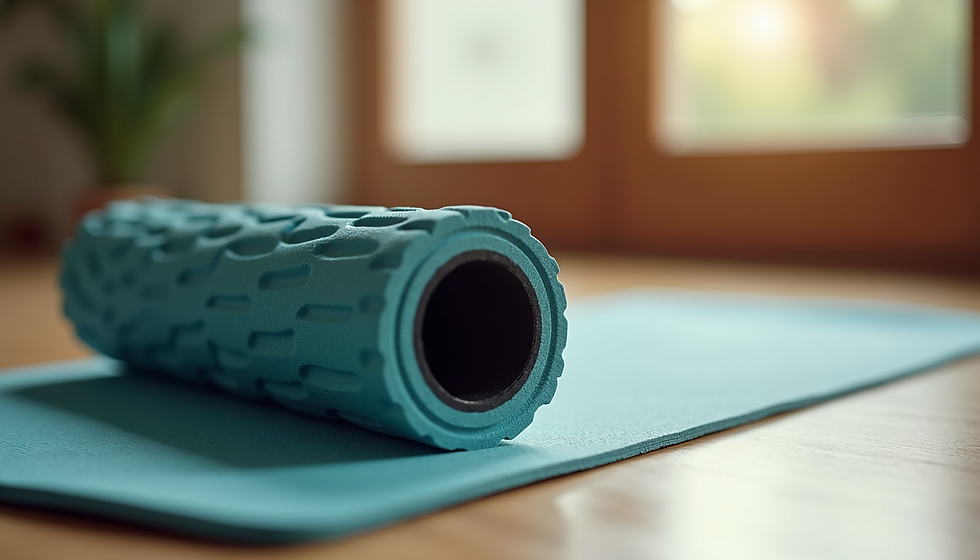
While it’s true that specialized equipment, such as reformers, can enhance the Pilates experience, a simple mat is all you truly need to practice foundational exercises. Many classes start with mat Pilates and may use props like resistance bands or stability balls to deepen the workout. For instance, a study published in the Journal of Bodywork and Movement Therapies found that participants who practiced mat Pilates experienced a 25% increase in strength without specialized equipment. Familiarizing yourself with mat exercises allows anyone to begin their Pilates journey without feeling overwhelmed.
Misconception 5: Pilates is Too Easy
Some may view Pilates as an easy alternative to high-impact workouts, assuming the focus on controlled movement means it lacks intensity. However, the true challenge of Pilates lies in performing exercises with precision. As practitioners progress, they can modify and intensify their routines. For example, advanced exercises like the "Teaser" or “Saw” demand both strength and coordination, pushing even seasoned gym-goers to their limits. In fact, many people report feeling “sore but satisfying” after a Pilates session, showcasing its effectiveness even for advanced fitness enthusiasts.
Misconception 6: All Pilates Instructors Are the Same
Another myth is the belief that all Pilates instructors have similar qualifications. In reality, training programs vary widely. Some instructors may undergo rigorous, comprehensive training, while others might have minimal certification. For instance, the comprehensive Pilates certification programs can range from 450 to over 1,000 hours of practical training. Ensuring you select a qualified instructor can make a significant difference in the quality of your classes, keeping your experience safe and rewarding.
Misconception 7: You Can’t Do Pilates at Home
Some believe that practicing Pilates requires a studio or instructor, which can deter individuals from pursuing it at home. On the contrary, many resources, including online classes, tutorials, and apps, make home practice entirely feasible. A survey by the Pilates Method Alliance indicated that 50% of regular practitioners incorporate home workouts into their routines. Designing a comfortable space at home can help you maintain consistency in your Pilates practice, making it an accessible option for all.

Wrapping Up
Pilates is a dynamic workout method shrouded in misconceptions. It is an inclusive exercise suitable for all individuals, with a plethora of health benefits beyond simple stretching. Whether your goal is to strengthen your core, enhance flexibility, or maintain an active lifestyle, Pilates is a valuable addition to your fitness journey. By clarifying these myths, we hope you feel inspired to explore Pilates and discover its potential for your overall well-being.
With the right approach and commitment to practice, Pilates can significantly enhance your mind-body connection and transform your fitness routine. So go ahead, take the step to try it out!


Comments