


Starting Your Journey: Initiating a Pilates Program
- Pilates Barre
- May 31
- 4 min read
Pilates is a low-impact exercise method designed to strengthen muscles, improve posture, and enhance flexibility. If you're thinking about starting a Pilates program, you're on the verge of transforming your physical fitness and overall health. This guide will help you kickstart your Pilates journey, from understanding its principles to finding the right class.
Understanding the Principles of Pilates
Before beginning your Pilates program, grasp the key principles behind it. Developed by Joseph Pilates in the early 20th century, the method focuses on six essential elements: control, concentration, centering, flow, precision, and breathing.
Control emphasizes mastering movements to engage the right muscles throughout your workout.
Concentration highlights the need for focus during sessions to achieve better results.
Centering stresses the core as the focal point of nearly every Pilates movement.
Breathing is vital in Pilates. It not only boosts the effectiveness of exercises but also aids in relaxation. Research shows that controlled breathing can enhance performance and endurance, making it easier to complete challenging exercises. Understanding these principles will provide a solid foundation as you embark on your journey.
Setting Your Goals
Setting clear and achievable goals is crucial when starting any fitness program, including Pilates. Think about what you want to accomplish: improving flexibility, strengthening your core, or enhancing your posture. For instance, if your goal is to increase strength, you might commit to attending Pilates classes three times a week for the next three months.
Writing down your goals makes them tangible. Instead of a vague objective like “I want to feel healthier,” write something specific, such as “I want to reduce my lower back pain by practicing Pilates regularly.” This clarity can keep you motivated and accountable for your progress.
Finding the Right Class
The next step is to find a Pilates class that matches your needs. Options range from group classes and private lessons to online tutorials.
For beginners, starting with a certified instructor in a beginner-friendly class is often best. This ensures that the pace suits your experience level. A study by the Pilates Method Alliance found that 85% of people reported improved body awareness after taking beginner classes.
If you prefer practicing at home, online classes can be a good alternative. Just ensure you select reputable platforms with qualified instructors. Popular platforms often offer a monthly subscription that grants access to an array of classes, so you can find lessons tailored to your skill level and goals.

Investing in the Right Gear
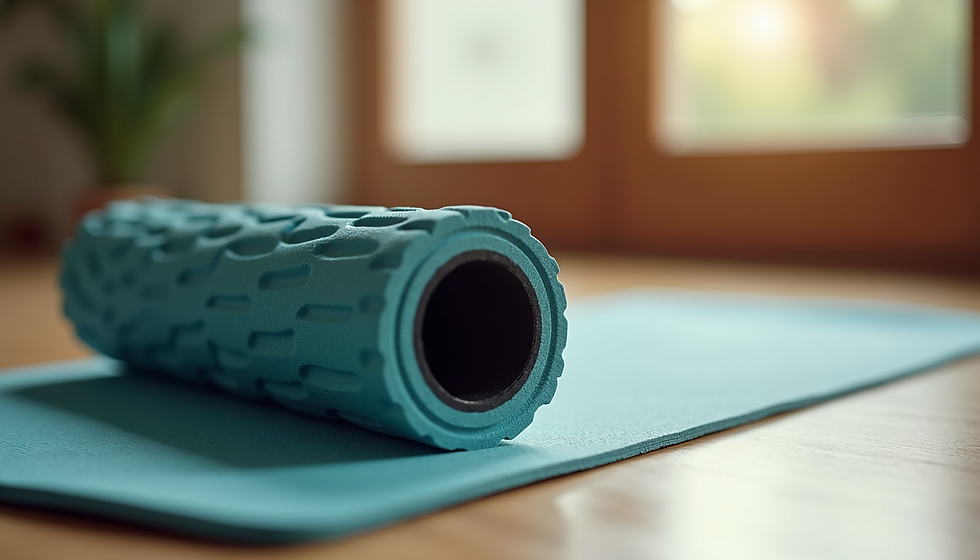
While you don't need fancy equipment to start Pilates, proper gear can enhance your experience. A quality yoga mat is essential, providing stability and comfort during exercises.
Opt for comfortable, stretchy clothing that supports a full range of motion. Many fitness brands offer Pilates-specific attire, focusing on light materials that wick away moisture and allow ease of movement.
Starting with Basics
Every fitness program benefits from starting with the basics. Familiarize yourself with fundamental Pilates movements like the Hundred, Roll-Up, and Single Leg Stretch. These exercises build a strong foundation for more advanced techniques.
Using beginner DVDs or reputable online videos can help you learn these foundational moves at your own pace. Always prioritize correct form over the number of repetitions; doing each movement accurately prevents injuries and maximizes effectiveness.
Listening to Your Body
One of Pilates' key aspects is tuning into your body. Pay attention to how you feel during exercises and respect your limits. If you experience discomfort, it's essential to modify the movement or take a break.
Flexibility is a gradual process. For example, research indicates that consistent practice can improve flexibility by up to 30% over a few months. Avoid pushing yourself too hard initially; patience will lead to better long-term results.
Progressing Your Practice
Once you've mastered the basics, start gradually incorporating more advanced exercises. Many classes accommodate various skill levels, allowing you to advance at your pace.
Don't be afraid to explore different styles, such as Reformer Pilates and Mat Pilates. Each offers unique challenges and benefits that can enhance your overall experience. Engage with your instructor, asking for modifications that align with your growth.
Building a Community
Joining a community of Pilates enthusiasts can enrich your journey. Many studios organize workshops, events, and social gatherings that promote connections among participants.
Consider joining local classes or participating in online forums. Sharing experiences and learning from others can provide motivation to stay committed to your Pilates practice.
Staying Committed
Consistency is vital in any fitness program. Create a weekly schedule for your Pilates sessions and treat them like any important appointment.
Track your progress and celebrate milestones, no matter how small. This practice not only keeps you motivated but also highlights how far you’ve come since you started.
Your Path to Wellness
Starting a Pilates journey can be a fulfilling experience that enhances your physical and mental well-being. By grasping the principles, setting tangible goals, and dedicating time to learn proper techniques, you're setting yourself up for success.
Always listen to your body and enjoy the process. What’s essential is not only where you begin but also your commitment to nurturing both body and mind through Pilates. Here’s to your new fitness journey, may it fill your life with strength, balance, and tranquility!


Comments